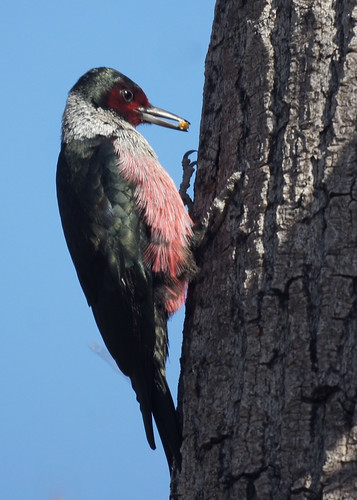
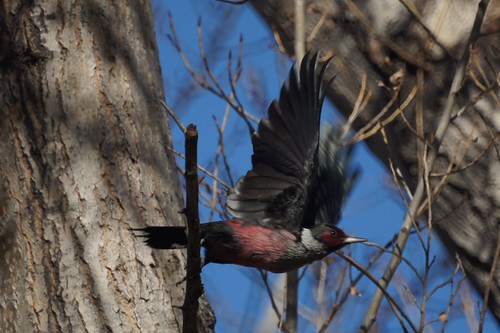
A Lewis's Woodpecker has been reported at Glen Helen Regional Park the last two weekends. When the sun came out this morning, Chris and I thought we'd give it a try. The bird had been reported in the trees near the play ground. It took us about 5 minutes, but we found it near the playground and watched for about an hour as it fed in the area. It spent most of time in a tree without leaves right at the start of hole 17 of the Frisbee golf course.
Sunday, November 17, 2013
Lewis's Woodpecker

Saturday, November 16, 2013
Sunday, November 10, 2013
Clark's Nutcracker
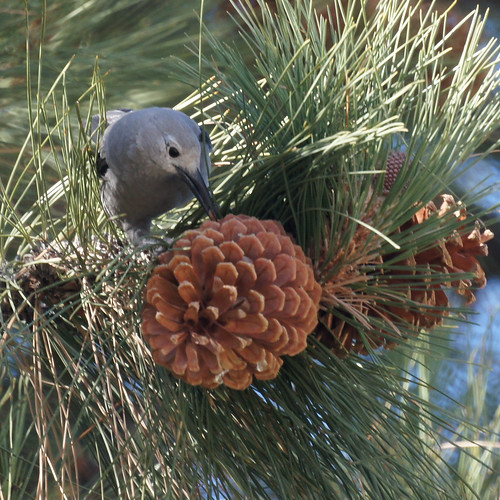
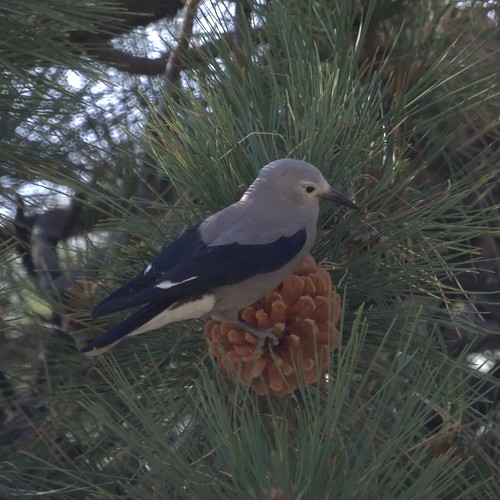
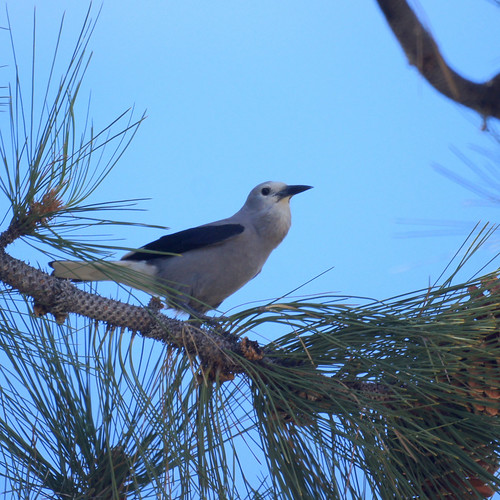
Mike first heard about the Clark's Nutcracker two weeks ago and decided he needed to see it. A bit of internet searching and asking around turned up the info that they live high in mountains and feed on pine seeds. Mike enticed Chris with a visit to nearby Oak Glen for apples after birding. We set out for Onyx Summit in the San Bernardino National Forest. We stopped first near Jenks Lake and didn't find any nutcrackers, but there were some acorn woodpeckers, red-napped sapsuckers, white-breasted nuthatches, juncos, and mountain chickadees around.
We made it to the Onyx Summit but didn't see any birds at all. We turned around, headed down Rt 38 about a mile, pulled over and walked around a while. It wasn't birdy but just as we were heading back to the car, Chris spotted two large birds across the road. We decided to cross, and then Mike saw a Clark's Nutcracker on a pine cone. There were 4 to 5 in the pine trees, and we watched for about 10 minutes as they pulled the pine seeds out. They can store the pine seeds under their tongues and bury them in the fall to eat later in the winter. In one photo, the nutcracker looks a little like a chipmunk with its throat swollen- they can store up to 100 seeds.
It was a little past the peak of apple season, so Oak Glen was a bit of a disappointment, but we are glad we got to see the Clark's Nutcracker.
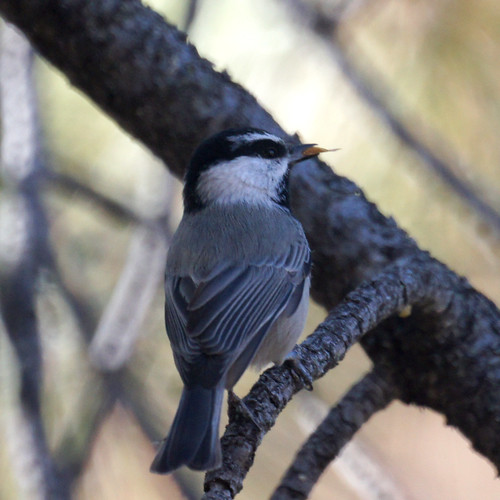
Mountain Chickadee
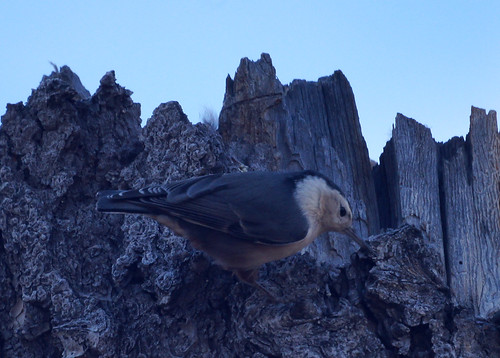
White-breasted Nuthatch
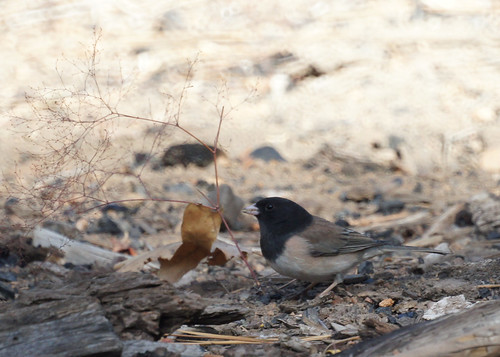
Junco
Tuesday, October 29, 2013
Ring-necked Ducks and Belted Kingfisher
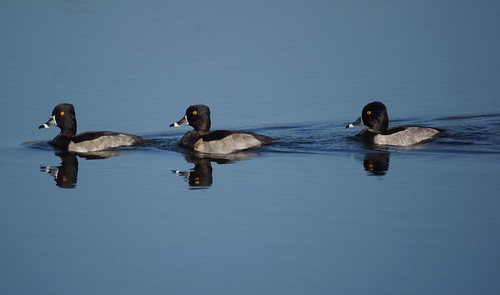
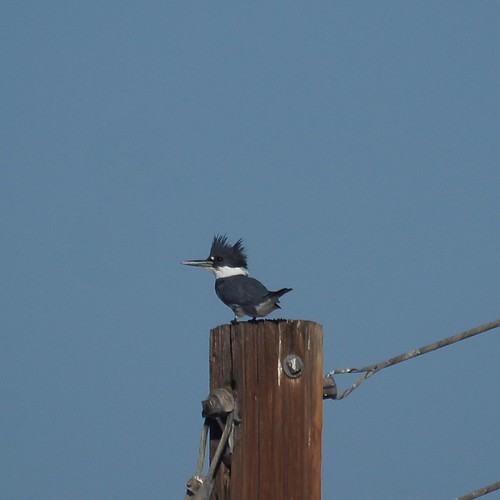
We spent some time at UCRs AgOps this weekend. The migrating ducks have just started arriving. It was nice to see a kingfisher too.
Saturday, October 19, 2013
Mandarin Duck: Finally
We went to Anaheim's Yorba Regional Park in hopes of seeing a Mandarin duck. A few had been reported there earlier in the week. This is probably our fifth or sixth attempt at seeing this duck, having struck out when visiting other places it has been reported in the past year. There are three ponds at Yorba Regional Park. We searched the first two ponds to no avail and didn't spot it when we arrived at the third. Finally Chris saw a male sleeping by the side of the pond. We waited a while and eventually it swam off with a female close by.
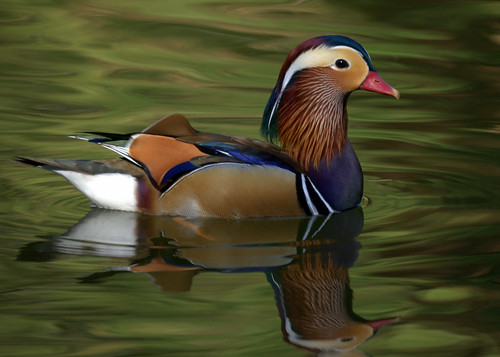
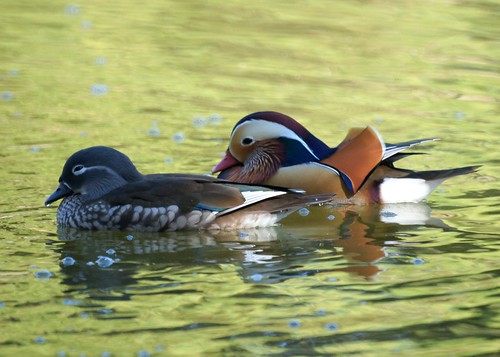
I know it's an introduced species and hardly looks like a wild bird, but it was fun to finally find one.
I know it's an introduced species and hardly looks like a wild bird, but it was fun to finally find one.
Saturday, October 12, 2013
UCR's Verdin
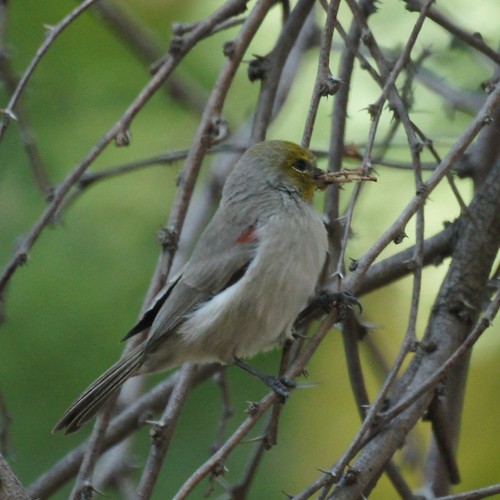
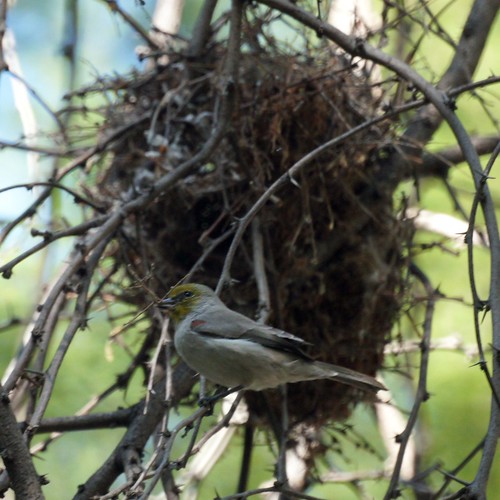
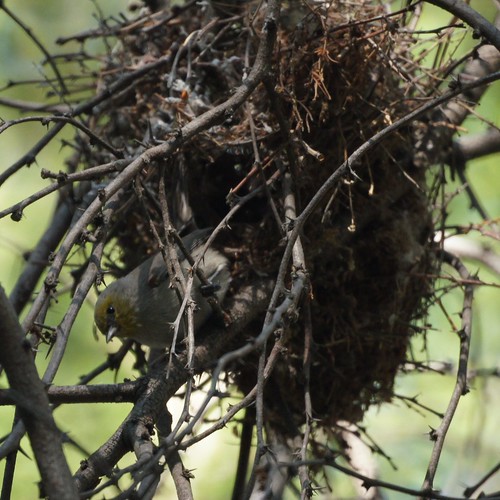
A verdin has been coming to UCR's botanic gardens for each of the past 4 falls. This year, a friend spotted it building a nest. Chris and I just had to go see it. We think it's building a roosting nest for it to keep warm in the winter.
It's a cute bird, but it would never tolerate an east coast winter.
Saturday, October 5, 2013
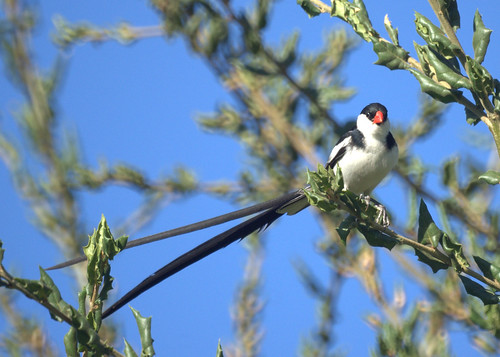
Pin-tailed Whydah: Andulka Park in Riverside, California
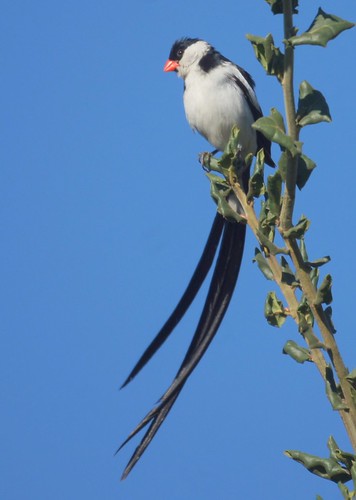
A colleague asked Mike to identify a bird she had seen. As he read the description, the pin-tailed whydah came to mind and she verified that it was the whydah. So, the next morning, Mike and Chris head out to the location, Andulka Park in Riverside, in hopes of spotting it. The Whydah is a bird from Africa that has established a small breeding colony in Southern California.
As we entered the park, we spotted a nutmeg mannikin, another introduced species from Asia. We viewed that as a good sign because we've observed them together in other locations such as Huntington Central Park.
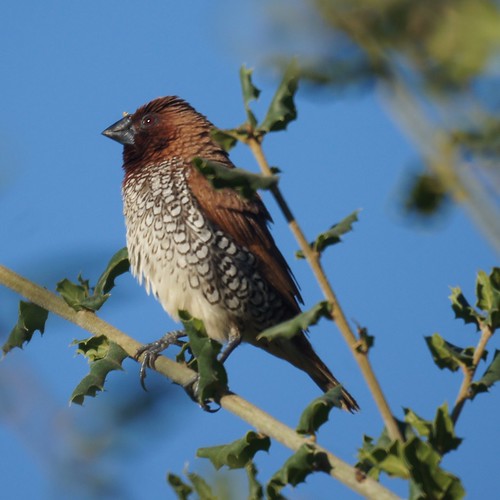
We spotted the female first.
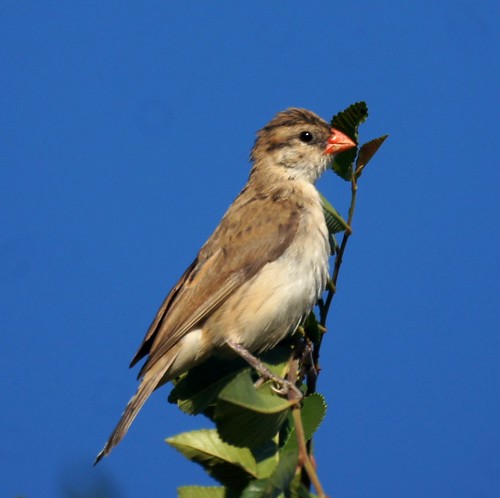
It's a fairly cooperative bird, easy to locate and well worth the 3 minute drive from our home.
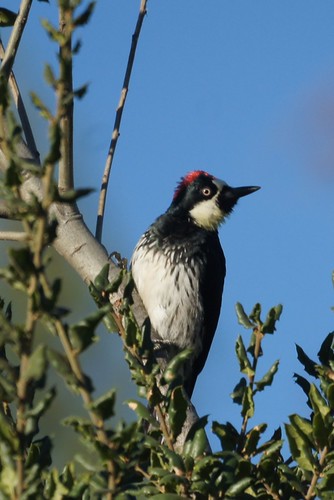
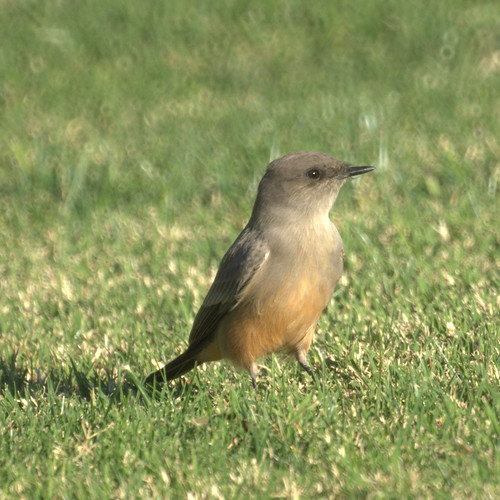
To complete the day, we also saw an acorn woodpecker and a Say's Phoebe.
Subscribe to:
Posts (Atom)